Gistcrier
Ketanji Brown Jackson Warns Supreme Court Risks Political Perception Following Voting Rights Ruling
What Happened
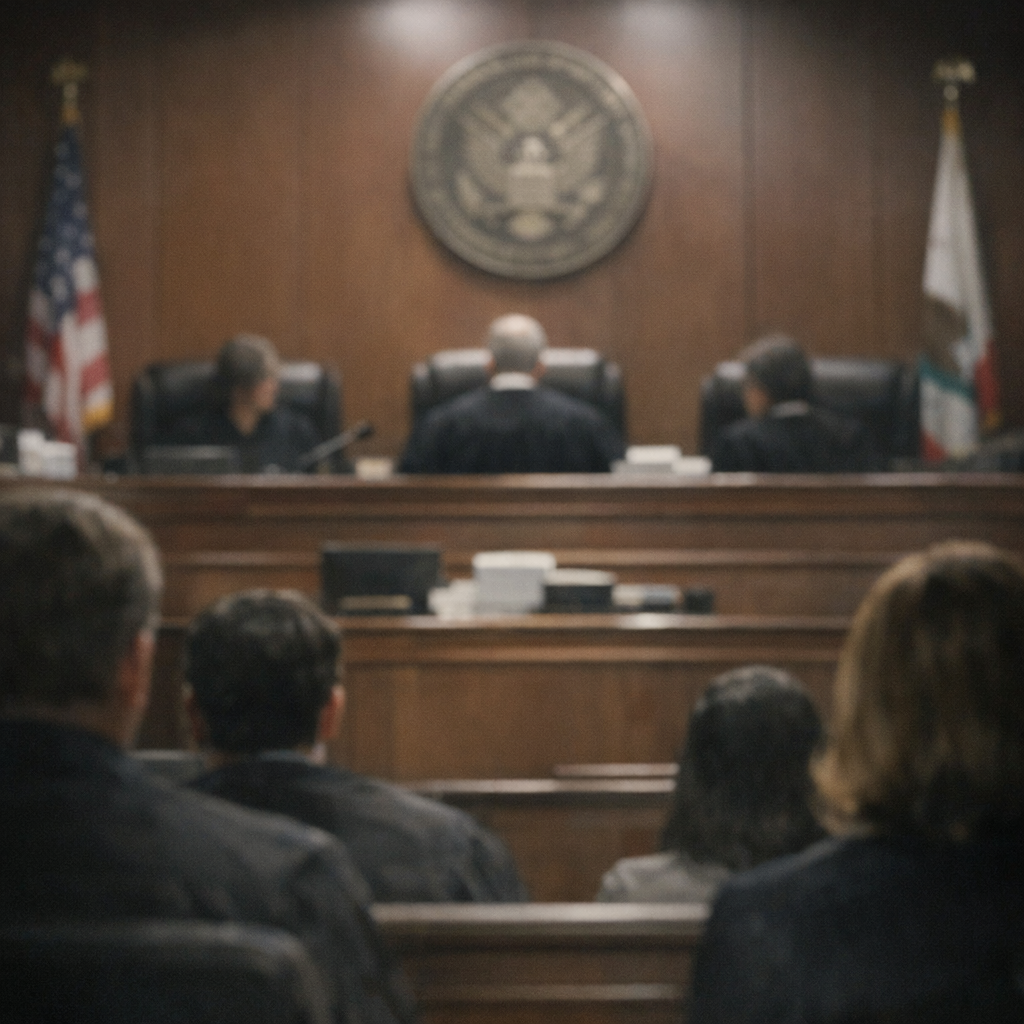
Justice Ketanji Brown Jackson raised significant concerns about the integrity of the U.S. Supreme Court, warning that its recent rulings regarding voting rights could foster perceptions of political bias among the public. Her comments followed a controversial decision that many critics argue undermines the Court's role as an impartial arbiter of justice.
Jackson's remarks highlight a growing unease regarding the Court's reputation, particularly as it navigates complex cases that intersect with political issues. The recent decisions have sparked debates over the Court's commitment to upholding democratic principles, with Jackson emphasizing the importance of maintaining public trust.
Key Concerns
Jackson specifically pointed to the implications of the Court's handling of voting rights, stating that if the public perceives the Court as politically motivated, it could erode confidence in its ability to deliver fair judgments. She underscored that the judiciary must remain above partisan politics to fulfill its constitutional duties effectively.
In recent months, the Supreme Court has faced scrutiny for its rulings that some critics argue favor certain political interests over others. Jackson's concerns resonate with a broader sentiment among legal experts and advocates who fear that the Court's legitimacy is at stake.
The Broader Context
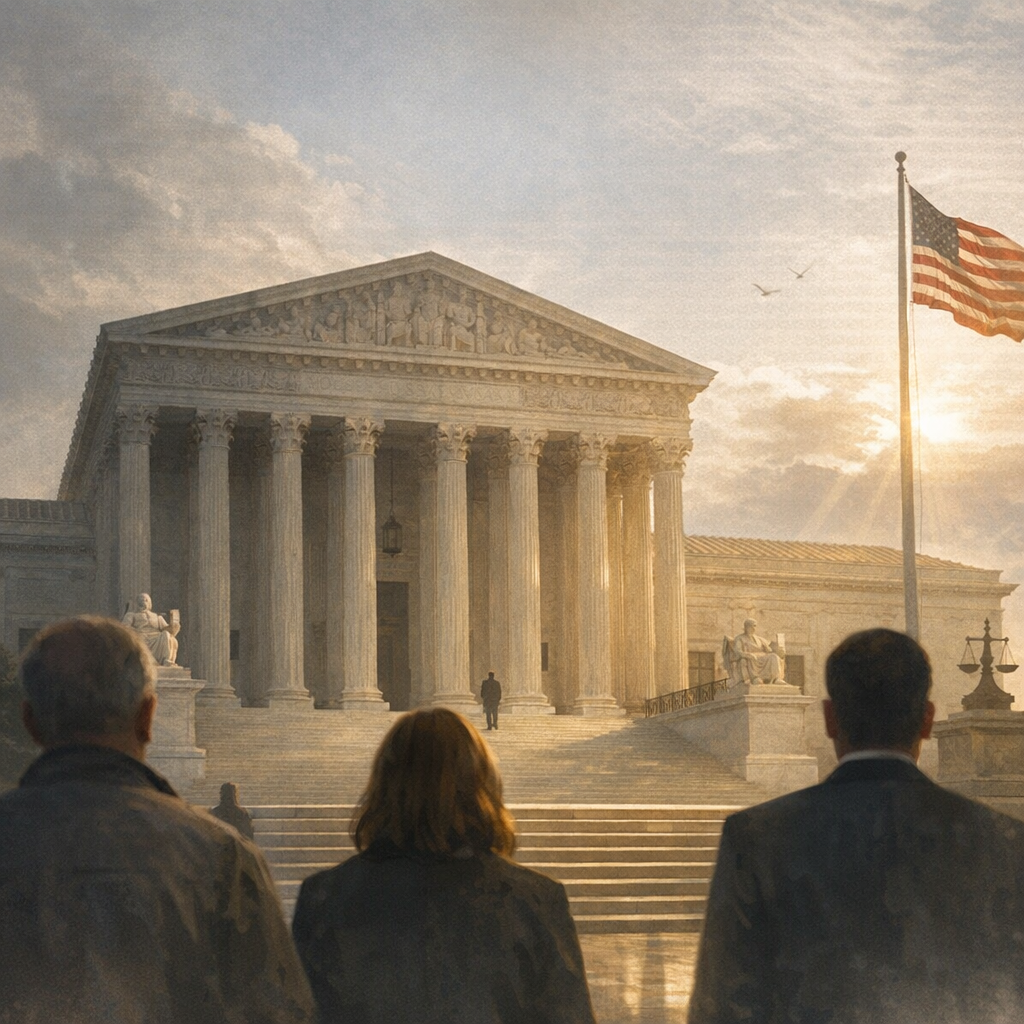
The Supreme Court's decisions have significant implications for voting rights across the nation, particularly in states where legislative actions have been taken to restrict access to the ballot. As the Court continues to deliberate on high-profile cases, the tension between judicial authority and political influence remains a critical issue.
Jackson's warning serves as a call to action for the Court to reaffirm its commitment to impartiality and justice, ensuring that it does not become a tool of political agendas. Legal analysts suggest that the Court's future rulings will be closely watched as stakeholders seek to understand its direction and influence on American democracy.
What’s Next
As discussions about the Supreme Court's role in safeguarding voting rights continue, observers will be looking for indications of how the Court will address these concerns in upcoming cases. The potential for further polarization exists, which may affect both public perception and the Court's standing as a non-partisan institution.
Jackson's remarks may prompt a renewed focus on the importance of judicial independence, particularly as the nation approaches pivotal elections that could further test the boundaries of voting rights and electoral integrity.
This article was produced from publicly available reports. Read more at the original source.